Featured Products
0102030405


product detail
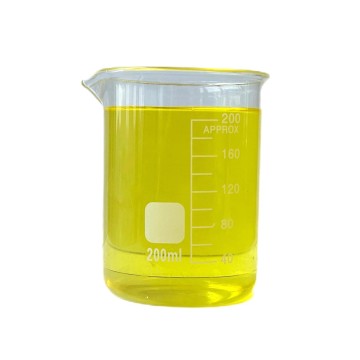
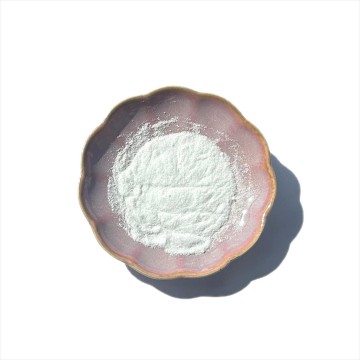
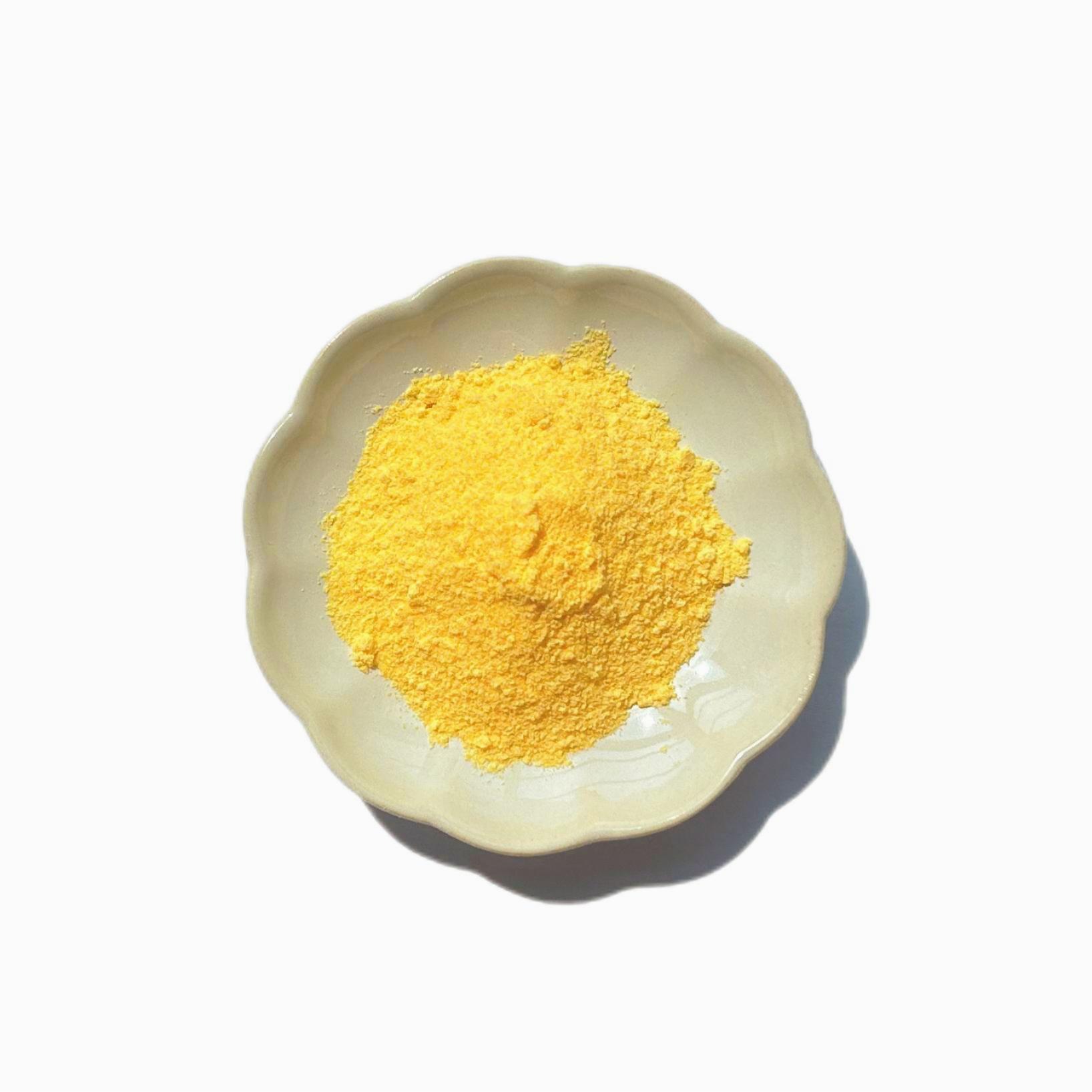
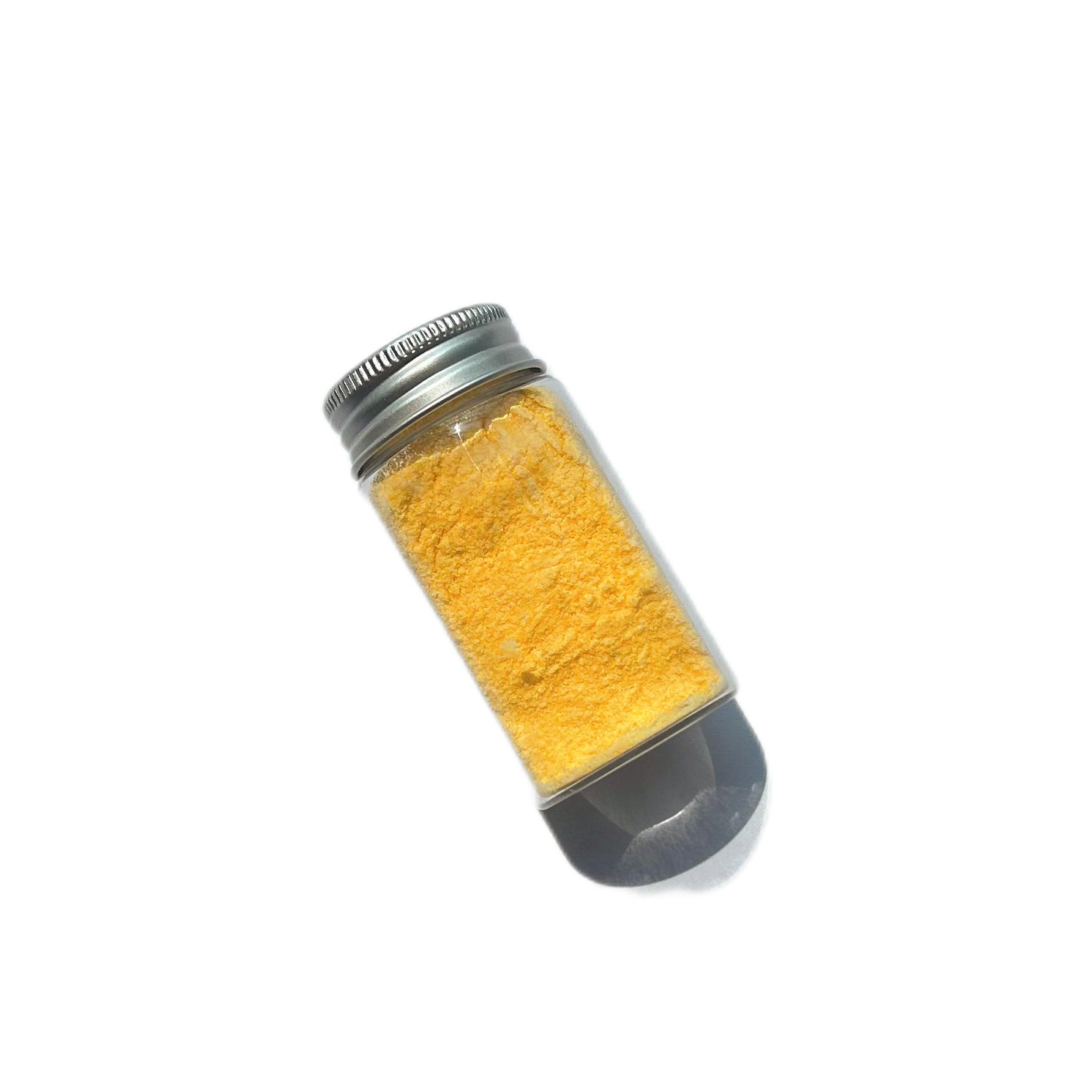
Retinoic Acid (also known as tretinoin) is the biologically active form of vitamin A, distinguishing itself from over-the-counter retinoids (like retinol or retinyl esters) by requiring no conversion in the skin. As a prescription-only ingredient, it’s formulated in low-concentration creams or gels (0.025% to 0.1% strengths) to address advanced signs of aging and persistent skin concerns that milder retinoids can’t resolve. Unlike indirect retinoids that rely on skin enzymes to become active, Retinoic Acid directly binds to skin cell receptors, making it the most potent option for reversing photodamage (sun-induced aging), deep wrinkles, and severe hyperpigmentation (e.g., melasma, post-inflammatory hyperpigmentation from cystic acne). It’s clinically approved for both anti-aging and acne treatment, though its active nature means it requires careful use: it’s photosensitive (best used at night), and users must build tolerance gradually (starting with 1–2 nights/week) to avoid dryness or peeling. Suitable for mature, acne-prone, or sun-damaged skin (with caution for sensitive types), it’s a cornerstone of dermatologist-recommended long-term skin rejuvenation plans.
Key Benefits
- Deep Wrinkle Reduction: By stimulating the synthesis of type I and III collagen (the structural proteins that keep skin firm) and reducing the activity of matrix metalloproteinases (MMPs—enzymes that break down collagen), Retinoic Acid targets wrinkles at the dermis level. Clinical studies show a 40% reduction in deep wrinkle depth and a 35% improvement in skin firmness after 12 weeks of consistent, dermatologist-guided use, with visible improvements in forehead furrows, nasolabial folds, and periorbital lines.
- Hyperpigmentation Fading: It addresses stubborn discoloration by dual action: inhibiting tyrosinase (the enzyme that produces melanin) to stop new pigment formation, and accelerating the turnover of pigmented keratinocytes (skin cells) to shed existing dark spots. For conditions like melasma (hormonal pigmentation) or severe sun damage, it’s proven to lighten dark areas by 30–45% over 16 weeks—more effective than most over-the-counter brighteners.
- Clears Severe Acne & Prevents Scarring: Retinoic Acid regulates follicular keratinization (the process that causes pores to clog with dead skin cells), reducing the formation of whiteheads, blackheads, and cystic acne. It also has anti-inflammatory properties that calm red, swollen lesions, and speeds up the healing of existing acne—lowering the risk of post-acne scarring. Clinical data shows a 50% reduction in acne lesions after 8 weeks of treatment for moderate-to-severe acne.
- Improves Skin Elasticity & Density: By strengthening the dermal-epidermal junction (DEJ)—the “bridge” between the outer epidermis and inner dermis—it enhances skin’s structural integrity, reducing sagging and improving elasticity. Users report a 28% increase in skin density (measured via ultrasound) after 6 months, resulting in a more lifted, youthful contour.
How It Works
Retinoic Acid’s unmatched efficacy stems from its ability to directly interact with skin cells, bypassing the conversion steps that weaken other retinoids:
First, direct receptor activation: It binds to specific nuclear receptors in skin cells—retinoic acid receptors (RARs) and retinoid X receptors (RXRs)—that regulate the expression of genes linked to collagen production, cell turnover, and inflammation. This direct binding means it starts working immediately, without waiting for the skin to convert it to an active form (a limitation of retinol or retinyl esters).
Second, collagen synthesis & damage repair: In the dermis, activated RARs/RXRs stimulate fibroblasts (cells that produce connective tissue) to increase production of type I collagen (the most abundant collagen in skin) and type III collagen (the “youth collagen” that diminishes with age). It also inhibits MMPs—enzymes that break down collagen due to aging or sun exposure—protecting existing collagen from degradation. Over time, this rebuilds the dermis, plumping wrinkles and restoring firmness.
Third, regulated cell turnover: In the epidermis, Retinoic Acid accelerates the cell cycle of keratinocytes, moving dead, dull cells from the basal layer (deep epidermis) to the surface faster—where they’re shed. This prevents dead skin from clogging pores (fighting acne) and removes pigmented cells (fading dark spots), revealing newer, brighter skin underneath. It also normalizes keratinization in hair follicles, stopping the formation of microcomedones (the earliest stage of acne).
Fourth, melanin control: It disrupts melanin production at two key steps: blocking tyrosinase (the enzyme that initiates melanin synthesis) and reducing the transfer of melanin from melanocytes (pigment-producing cells) to keratinocytes. Additionally, faster cell turnover clears existing pigmented cells before they accumulate, making it effective for even hard-to-treat discoloration.
Critical to its use: Retinoic Acid’s potency requires dermatologist supervision—especially for first-time users. It increases sun sensitivity (so daily SPF 30+ is mandatory), and tolerance building (starting with low frequency and small amounts) minimizes side effects like dryness or peeling. When used correctly, it delivers long-term, transformative results that redefine skin’s youthfulness at the cellular level.