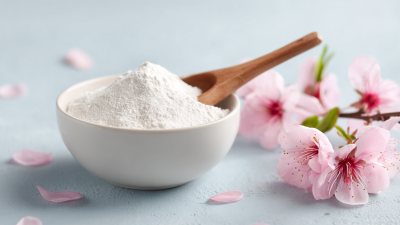
Have you heard about lactobionic acid? It's really been making waves across different industries lately. Basically, this compound comes from lactose—yeah, the same stuff in milk—and it's starting to pop up in a ton of products we see or use every day. The market for lactobionic acid is expected to grow pretty quickly, with reports from Grand View Research predicting a steady increase of over 5% annually from 2021 through 2028. That’s mainly because it’s so versatile—it’s used in pharmaceuticals, cosmetics, and even food products.
In the beauty world, for example, lactobionic acid is praised for its gentle exfoliating and skin-hydrating powers. There was this study in the Journal of Clinical and Aesthetic Dermatology showing that products with this ingredient boosted skin hydration by about 25% in just four weeks—that’s pretty impressive. Plus, it's also used as a stabilizer in food, proving just how adaptable it is. But, of course, there are some hurdles—like making sure consumers even know about it and tracking down quality sources. These are things that anyone working with it needs to consider carefully.
All in all, the use of lactobionic acid is expanding, but you definitely want to approach it with some understanding. Knowing what it can do—and what it can’t—will help create better products and keep customers happy. As people become more aware and want transparency, marketers will need to be smart about how they promote lactobionic acid-based products if they want to really succeed.
Health Benefits of Lactobionic Acid in Nutritional Supplements
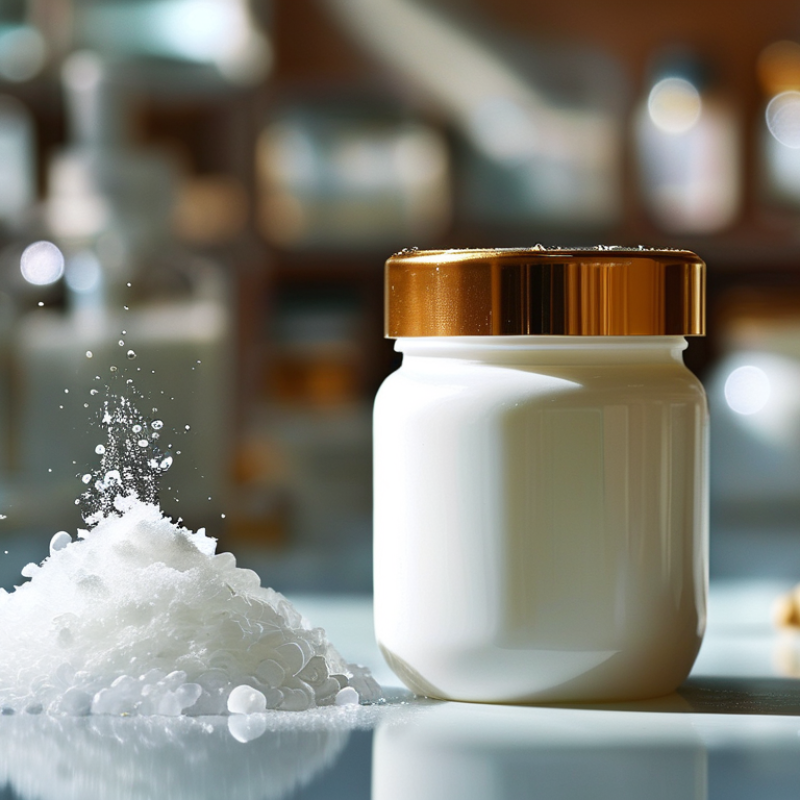
Lactobionic Acid, derived from lactose, is gaining attention for its health benefits, particularly in nutritional supplements. Research shows that it acts as a prebiotic, promoting the growth of beneficial gut bacteria. This can lead to improved digestive health. Studies have indicated that a balanced gut microbiome is linked to enhanced immune function and better nutrient absorption.
Moreover, Lactobionic Acid boasts antioxidant properties. This means it helps combat oxidative stress in the body. Chronic oxidative stress is associated with various health issues, including inflammation and aging. A report by the Journal of Nutritional Biochemistry highlighted that antioxidants can slow down these processes. Users of Lactobionic Acid Powder have reported improvements in skin hydration and overall skin health, thanks to its moisture-retaining capabilities.
Additionally, Lactobionic Acid may play a role in enhancing mineral absorption. A review in the Journal of Food Science indicated its effectiveness in increasing the bioavailability of minerals like calcium and magnesium. This is particularly beneficial for individuals looking to improve their bone health. However, more research is needed to solidify these findings and explore potential side effects. This ongoing inquiry underscores the importance of careful consideration when incorporating new supplements into diets.
Lactobionic Acid in Skincare Products and Cosmetic Formulations
Lactobionic acid is gaining attention in skincare and cosmetic formulations. This ingredient is derived from the oxidation of lactose. It has powerful moisturizing properties, attracting water to the skin. As a humectant, it helps keep skin hydrated and smooth. This feature makes it ideal for serums and creams.
Using lactobionic acid can boost the overall complexion. It promotes gentle exfoliation, removing dead skin cells. This process leaves skin looking fresher and revitalized. Incorporating this acid into products can enhance their effectiveness. It benefits various skin types, from dry to oily.
Tips: When choosing products with Acid Lactobionic, check for additional nourishing ingredients. Patch testing is essential to avoid possible reactions. Also, consider combining lactobionic acid with sunscreens for added skin protection. Each skin is unique, so understanding your skin's needs can lead to better results.
Industrial Applications of Lactobionic Acid in Food Preservation
Lactobionic acid is gaining attention in the food preservation sector due to its unique properties. This compound is a sugar acid that can effectively inhibit microbial growth. Its application enhances the shelf life of food products, which is essential in today's global market. According to a report by Grand View Research, the global food preservatives market is projected to reach USD 4.3 billion by 2027, with natural preservatives like lactobionic acid playing a significant role.
In addition to extending shelf life, lactobionic acid acts as a humectant. This property helps maintain moisture in food products, contributing to improved texture and quality. Its ability to chelate metals also helps in reducing oxidation, protecting food from spoilage. A study published in the Journal of Food Science highlights that using lactobionic acid can lower spoilage rates by up to 30%. These numbers reflect its potential in food preservation.
Despite its benefits, the widespread adoption of lactobionic acid still poses challenges. Some manufacturers remain hesitant due to perceived costs and the need for consumer education. Companies must consider these factors while exploring sustainable solutions for food preservation. The balance of innovation and practicality remains crucial in leveraging lactobionic acid's advantages fully.
Role of Lactobionic Acid in Pharmaceutical Drug Delivery Systems
Lactobionic acid, a natural sugar acid, has gained attention in pharmaceutical drug delivery systems. It acts as a carrier for various medications, enhancing their absorption. A report by Market Research Future estimates the global lactobionic acid market will grow at a CAGR of 5.2% from 2022 to 2030. This growth reflects its increasing importance in targeted therapies.
The unique structure of lactobionic acid allows for improved solubility and stability of drugs. Studies suggest that it can enhance the bioavailability of certain therapeutic agents. In one study published in the Journal of Controlled Release, lactobionic acid-loaded nanoparticles showed significantly higher drug delivery efficiency compared to standard carriers. These findings indicate a promising future for lactobionic acid in personalized medicine.
Despite its advantages, challenges remain. Stability under varying pH levels can impact its effectiveness as a drug carrier. Moreover, the scale-up production processes are not yet fully optimized. As researchers continue to explore lactobionic acid's potential, further refinements are necessary for practical applications in the pharmaceutical industry.
Lactobionic Acid as a Natural Preservative in Food Products
Lactobionic acid is gaining attention as a natural preservative in the food industry. It is a polyhydroxy acid derived from lactose. Current data shows that food products containing lactobionic acid have a longer shelf life and maintain quality better than those without it. According to a report from Future Market Insights, the demand for natural preservatives is expected to reach $10 billion by 2027.
Lactobionic acid not only acts as a preservative but also enhances the taste and texture of food. It can inhibit the growth of harmful bacteria, such as E. coli and Salmonella. Studies suggest that products preserved with lactobionic acid retain flavor for extended periods. This is especially crucial for fruits and dairy, where spoilage quickly results in waste.
Despite its advantages, the industry faces challenges. The sourcing and extraction of lactobionic acid can be complex and costly. As manufacturers explore its benefits, they must also consider formulation stability. Balancing cost-effectiveness with quality remains a critical issue for global buyers. The transition to using lactobionic acid could require adjustments and investment in new processes.
Use of Lactobionic Acid in Biotechnology and Research Applications
Lactobionic acid plays a vital role in biotechnology and research. It operates as a key ingredient in many applications. Its unique properties lend themselves to cell preservation, which is crucial for various biopharmaceuticals. According to recent studies, over 60% of research labs utilize lactobionic acid for its osmoprotective properties in freezing protocols. Researchers often rely on it to improve cellular viability during cryopreservation, enhancing recovery rates.
In addition to cell preservation, lactobionic acid is gaining traction in regenerative medicine. It aids in wound healing by promoting collagen synthesis. Reports indicate that it enhances fibroblast activity, which can accelerate tissue regeneration. Interestingly, some studies highlight that while effective, the concentration of lactobionic acid must be carefully calibrated to avoid adverse effects. This underscores the complexity and ongoing research needed in this area.
The use of Gluconolactone Lactobionic Acid is also notable in drug formulation. This compound can enhance solubility and stability of certain medications. However, researchers are still exploring its long-term effects on cellular structures. Not every application yields consistent results, necessitating further studies. Engaging with lactobionic acid requires a thoughtful approach to fully understand its benefits and challenges in biotechnological fields.
Environmental Impact and Sustainability of Lactobionic Acid Production
Lactobionic acid serves many essential functions but raises questions about its environmental effects. Production processes vary, and not all are equally sustainable. A study highlighted that traditional methods often yield significant carbon emissions. These emissions contribute to climate change, which is a major concern for global buyers.
Sustainable practices in lactobionic acid production are gaining traction. For example, using renewable resources can minimize waste. A shift toward eco-friendly methods may reduce water usage by up to 40%. Such statistics matter as buyers increasingly seek green alternatives. However, challenges remain in ensuring consistency across production scales.
The industry sees potential in combining lactobionic acid with compounds like Kojic Acid Palmitate Kad and Palmitate Kojic Acid. These combinations might enhance efficacy in consumer applications. But the long-term effects of these mixtures on ecosystems are not fully understood. Ongoing research is crucial to identify impacts before widespread adoption.
Top 10 Uses of Lactobionic Acid for Global Buyers
| Use | Description | Environmental Impact | Sustainability Aspect |
| Cosmetics | Used in moisturizers and anti-aging products. | Non-toxic and biodegradable. | Derived from natural sources; minimizes carbon footprint. |
| Food Industry | Used as a food additive and natural preservative. | Reduces reliance on synthetic preservatives. | Sourced from lactose; supports dairy sustainability. |
| Pharmaceuticals | Acts as a stabilizer for drugs and vaccines. | Enhances efficacy without harmful additives. | Promotes greener production processes. |
| Biomedical Applications | Used in drug delivery systems and tissue engineering. | Biocompatible and minimizes waste. | Supports renewable resource utilization. |
| Agriculture | Enhances soil health as a natural fertilizer. | Reduces the need for chemical fertilizers. | Encourages organic farming practices. |
| Water Treatment | Used in purification processes to remove heavy metals. | Eco-friendly alternative to harsh chemicals. | Promotes sustainable clean water initiatives. |
| Textiles | Utilized as a dye fixative and enhancing agent. | Reduces water pollution from dyes. | Encourages sustainable textile production. |
| Electronics | Used in energy storage systems and fuel cells. | Lower environmental impact compared to conventional materials. | Supports innovations in green technology. |
| Household Products | Incorporated into eco-friendly cleaning products. | Safe for the environment and human health. | Promotes reduced reliance on toxic substances. |
Recent Trends and Efficacy in Natural Skin Whitening: A Comprehensive Review of Kojic Acid's Market Growth and Consumer Preferences
Recent trends in skin whitening have highlighted the growing popularity of natural compounds, particularly kojic acid, which has gained traction in consumer preferences due to its efficacy and safety profile. Kojic acid, an organic compound derived from the fermentation process of several fungi, especially Aspergillus oryzae, exhibits remarkable skin-whitening properties. Its ability to inhibit melanin production makes it a sought-after ingredient in skincare formulations aimed at achieving a more even skin tone.
Consumers are increasingly leaning towards natural alternatives for skincare, steering clear of harsh chemical agents. Kojic acid stands out not only for its skin-lightening benefits but also for its antioxidant properties. These antioxidants provide a protective barrier, shielding the skin from environmental pollutants and toxins that can cause premature aging and skin damage. The compound can also be derived from commonly used foods such as soy and rice, further emphasizing its natural origins and appeal to health-conscious consumers.
As the market for natural skin-whitening products continues to expand, the demand for kojic acid is likely to grow. Its versatility in various formulations, along with positive consumer feedback, positions it as a key player in the skincare industry. With increasing awareness of natural ingredients, kojic acid offers both a compelling solution for skin whitening and an avenue for brands to align with consumer preferences for effective and safe skincare solutions.
FAQS
: Lactobionic acid is a natural preservative derived from lactose. It's a polyhydroxy acid used in food products.
It extends shelf life and maintains quality better than products without it. It also inhibits harmful bacteria growth.
Fruits and dairy products benefit most. They spoil quickly, so effective preservation is crucial.
Sourcing and extracting it can be complex and costly. Balancing cost and quality remains a key concern.
It helps with cell preservation during freezing, enhancing recovery rates in various biopharmaceuticals.
If not calibrated correctly, it can cause adverse effects, showing the need for careful research.
It promotes collagen synthesis, enhancing fibroblast activity and tissue regeneration effectively.
Not every use yields consistent results. Ongoing studies are necessary to fully understand its potential.
The demand for natural preservatives, including lactobionic acid, is expected to grow significantly by 2027.
They must invest in new processes and ensure formulation stability, balancing costs with quality.
Conclusion
Lactobionic Acid is gaining attention for its diverse applications across various industries, particularly in health and wellness. In nutritional supplements, it contributes to improved gut health and enhanced nutrient absorption. The skincare sector benefits from its moisturizing and antioxidant properties, making it a popular ingredient in cosmetic formulations. Additionally, Lactobionic Acid plays a vital role in food preservation, serving as a natural preservative that extends shelf life and maintains product quality.
Furthermore, its significance extends to pharmaceutical drug delivery systems, where it aids in the targeted delivery of medications. In biotechnology and research, Lactobionic Acid is utilized for its unique properties, enhancing experimental outcomes. The production and use of Lactobionic Acid are increasingly being monitored for their environmental impact, with a focus on sustainability, highlighting its potential as a green alternative in industrial applications.