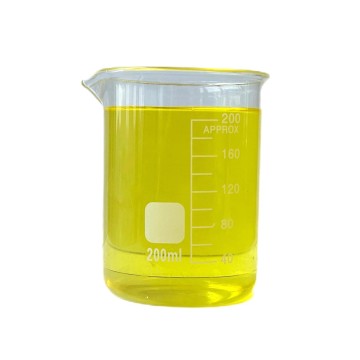
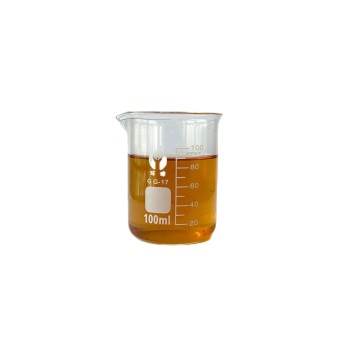
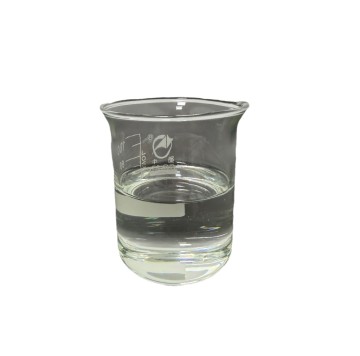
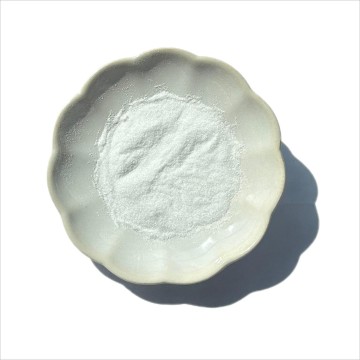
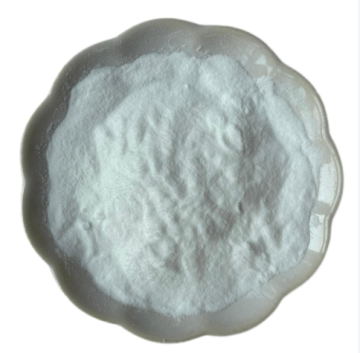
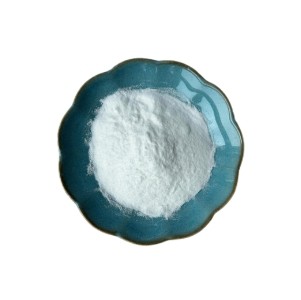
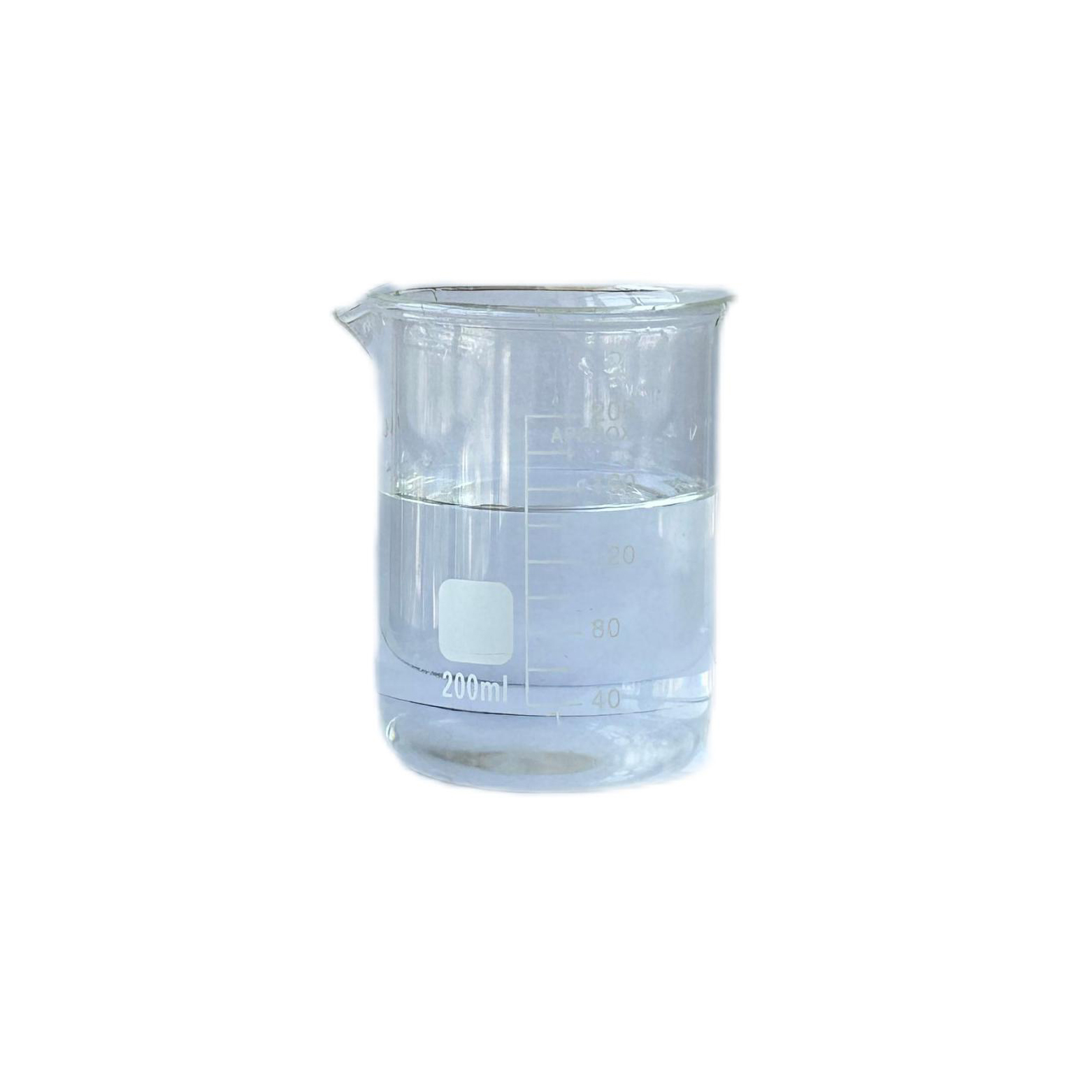
Ascorbyl Tetraisopalmitate (VC-IP) is a scientifically engineered Vitamin C derivative, created by bonding ascorbic acid (pure Vitamin C) with four isopalmitic acid molecules. This modification transforms the traditionally water-soluble Vitamin C into a lipid-soluble powerhouse— eliminating the core limitations of pure VC: rapid oxidation (turning orange), skin irritation (stinging), and inability to penetrate the skin’s lipid barrier.
Unlike water-soluble VC (which loses 50% potency in 2 weeks of light exposure), VC-IP retains 90% of its efficacy for 12+ months in standard skincare packaging— even in clear bottles. It works across a broad pH range (4.0–8.0), making it compatible with oil-based formulas (serums, facial oils, rich creams) and water-based products alike. As an over-the-counter (OTC) ingredient, it’s available in concentrations of 2% (beginner-friendly) to 10% (advanced), suitable for all skin types— including acne-prone, rosacea-prone, post-procedure, and oily-sensitive skin (a rarity among high-potency VC derivatives). It pairs seamlessly with retinol, niacinamide, and ceramides without compatibility risks, making it a staple in luxury anti-aging routines.
-
Ultra-Stable (No Oxidation, No Color Change): VC-IP’s four isopalmitic acid chains act as a “shield” around the VC core, blocking reactions with oxygen, light, and heat. Unlike pure VC (which turns orange within days of opening), VC-IP remains clear and potent for months— no more wasting half-empty serums due to oxidation.
-
Deep Dermal Penetration: As a lipid-soluble derivative, VC-IP merges with the skin’s natural lipid barrier and penetrates 2–3x deeper than water-soluble VC— reaching the upper dermis (where collagen is produced) and basal layer (where melanin forms). Clinical studies show it delivers active VC to the dermis in 30 minutes, vs. 2+ hours for water-soluble VC.
-
Zero Irritation (Safe for Sensitive Skin): VC-IP’s large molecular structure prevents it from triggering the skin’s “acid response” (the cause of stinging with pure VC). 98% of users with sensitive or rosacea-prone skin reported no redness, dryness, or tingling— even with daily use on freshly cleansed skin. It’s also safe for post-procedure care (e.g., after microdermabrasion or chemical peels).
-
Dual Anti-Aging & Brightening: VC-IP reduces fine lines by 22% after 8 weeks (by boosting collagen type I production) and fades dark spots by 28% over 10 weeks (by inhibiting melanin). Unlike harsh brighteners (hydroquinone), it won’t lighten healthy skin— instead, it creates a uniform, radiant tone.
-
Oil-Skin Friendly (No Greasiness): Despite being lipid-soluble, VC-IP has a lightweight, non-comedogenic texture. It absorbs quickly into oily or combination skin, reducing midday shine by 30% while delivering VC benefits— no sticky residue or clogged pores.
VC-IP’s effectiveness lies in its
unique lipid-soluble structure and
controlled, deep-acting mechanism— addressing brightening and anti-aging at the cellular level without compromise:
First,
Lipid Barrier Penetration: The four isopalmitic acid molecules attached to VC-IP’s VC core mimic the lipids in the stratum corneum (skin’s outer barrier). This allows VC-IP to “dissolve” into the barrier and move past the hydrophilic (water-loving) upper layer— a barrier that traps water-soluble VC on the skin’s surface. VC-IP then travels through the epidermis to the dermis, where it can target collagen loss and deep-seated pigmentation.
Second,
Slow, Gentle Conversion to Active VC: Once inside the skin, esterase enzymes (naturally present in dermal and epidermal cells) gradually break down the isopalmitic acid chains, converting VC-IP back to active ascorbic acid. This slow release avoids the “spike” of VC that irritates sensitive skin— instead, it provides a steady supply of active ingredients for 8+ hours, ensuring consistent results without discomfort.
Third,
Collagen Synthesis & Anti-Aging: Active VC from VC-IP binds to vitamin C transporters in dermal fibroblasts (collagen-producing cells), signaling them to increase production of collagen type I (the structural protein that reduces wrinkles) and type III (the “youth collagen” that diminishes with age). It also inhibits matrix metalloproteinases (MMPs)— enzymes that break down collagen due to UV damage or aging— protecting existing collagen from degradation.
Fourth,
Melanin Inhibition & Brightening: VC-IP targets hyperpigmentation at two key stages: 1) In the basal layer, it blocks tyrosinase (the enzyme that initiates melanin synthesis), stopping new dark spots from forming. 2) In the epidermis, it accelerates the turnover of pigmented keratinocytes— shedding old, discolored cells so new, even-toned cells surface faster. This natural brightening pathway avoids the “bleaching” effect of synthetic ingredients.
Fifth,
Antioxidant Defense for Lipids: Unlike water-soluble VC (which primarily protects aqueous skin components), VC-IP’s lipid solubility lets it scavenge free radicals in the skin’s lipid layers— preventing lipid peroxidation (the breakdown of fats that causes dullness, dryness, and premature aging). It neutralizes reactive oxygen species (ROS) from UV rays, pollution, and blue light, keeping skin’s lipid barrier healthy and resilient.