
News

0102030405
Arbutin: A Reliable Cosmetic Raw Material for Gentle Brightening
2026-09-24
✦
Short description: As a popular skin-brightening raw material, arbutin stands out in cosmetic formulations for its mild profile, stable performance and wide application potential.
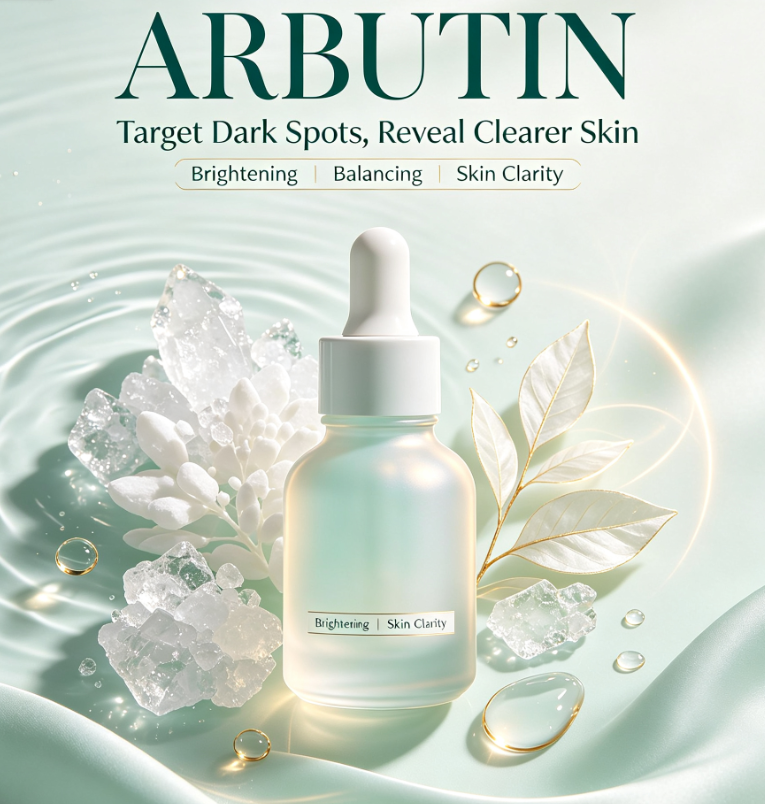
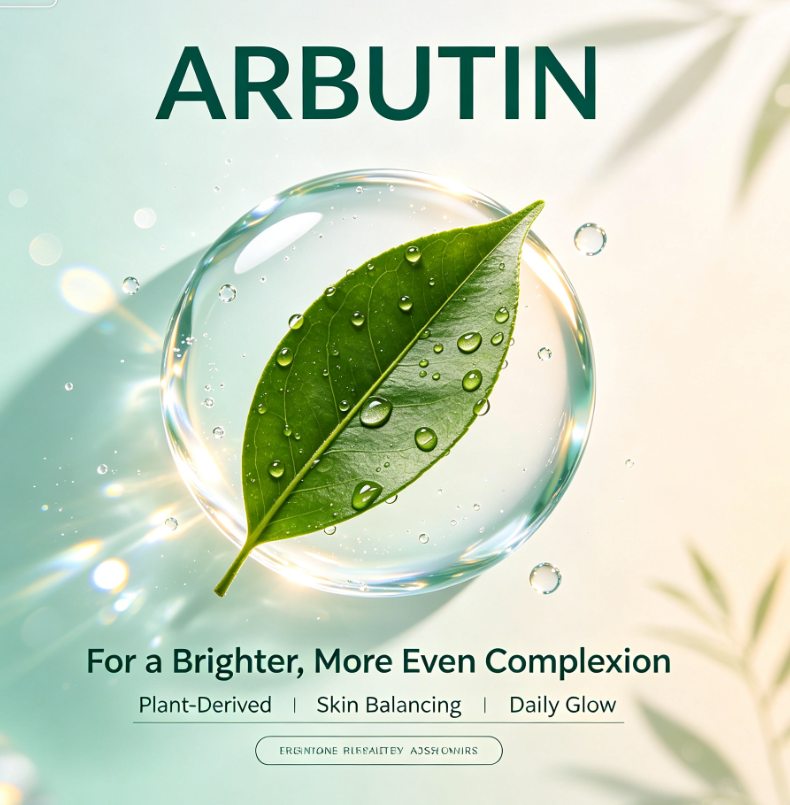
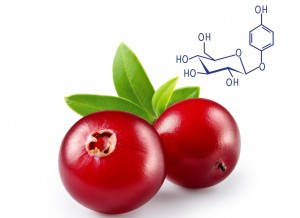
Arbutin has long secured its position as one of the most sought-after brightening raw materials in the global cosmetic industry, favoured by formulators for its balanced efficacy and user-friendly safety profile. Derived naturally from bearberry leaves and other plant sources, this bioactive ingredient offers a practical alternative to harsher lightening agents, catering to the rising consumer demand for gentle, science-backed skincare.
The core advantage of arbutin lies in its targeted brightening mechanism. It works by inhibiting tyrosinase, a key enzyme responsible for melanin synthesis in the skin. Unlike some potent brightening ingredients that may trigger irritation, arbutin suppresses pigment formation in a mild manner, helping fade uneven skin tone, dark spots and post-inflammatory hyperpigmentation without excessive stimulation. This characteristic makes it suitable for sensitive skin formulations, a critical selling point amid the market shift toward tolerable active cosmetics.
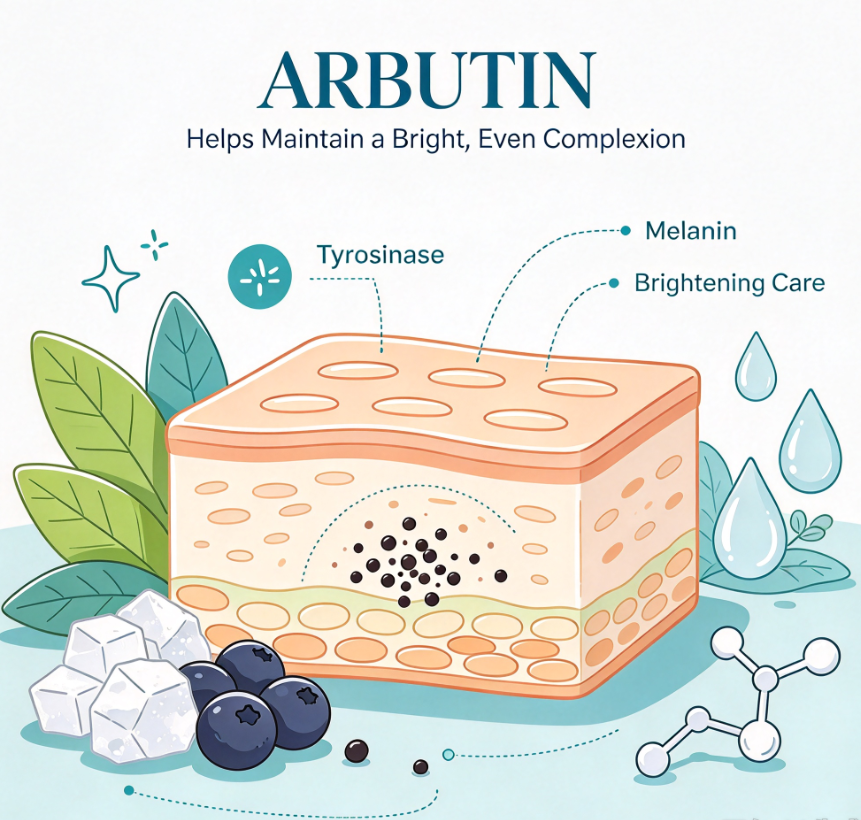
Stability and formulation compatibility further boost its value as a cosmetic raw material. Arbutin maintains good stability under normal cosmetic production and storage conditions, with less risk of rapid degradation when incorporated into toners, serums, creams and lotions. It mixes well with many common cosmetic excipients and other actives, such as moisturising polysaccharides and soothing plant extracts. Formulators can flexibly adjust dosage to create products ranging from daily maintenance skincare to concentrated brightening treatments, expanding its usability across diverse product lines.
Another notable strength is its broad regulatory acceptance. Arbutin is recognised and permitted for cosmetic use in major markets, with clear usage limits outlined by regional authorities. Manufacturers can prepare compliant documentation including COA and safety assessment reports, simplifying registration and export procedures for cosmetic brands. This regulatory clarity reduces market access risks for raw material suppliers and downstream producers.
Growing consumer awareness also supports arbutin’s market momentum. Modern buyers prioritise traceable, plant-origin ingredients over aggressive actives. Arbutin’s botanical background aligns with clean beauty trends, allowing brands to highlight gentle brightening in marketing. As skin hyperpigmentation concerns remain prevalent across age groups, demand for dependable brightening raw materials will continue to rise.
In summary, arbutin combines mild brightening efficacy, reliable stability, flexible formulation options and mature regulatory status. It remains a staple raw material for cosmetic factories and brands aiming to develop safe, effective brightening skincare, and will keep playing an important role in the evolving global cosmetic ingredient market.