
News


0102030405
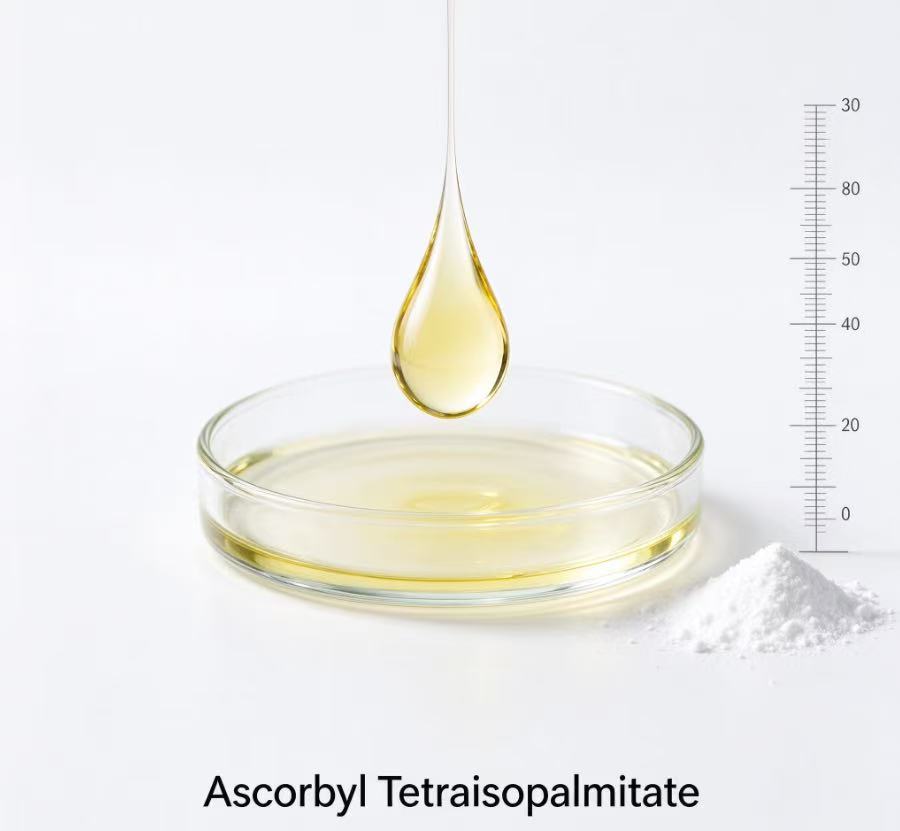
Ascorbyl Tetraisopalmitate: A Stable Oil-Soluble Vitamin C Derivative for Advanced Skincare
2026-10-14
01
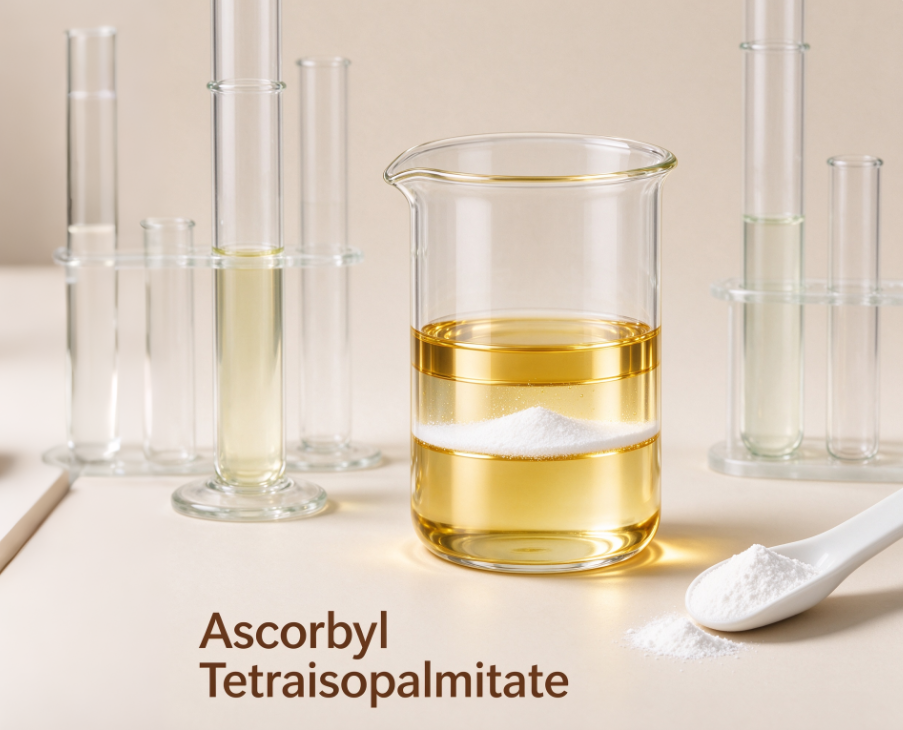
Ascorbyl tetraisopalmitate, widely known as VC‑IP, is an oil-soluble ester derivative of vitamin C that has reshaped the formulation landscape of modern skincare. Unlike conventional L‑ascorbic acid, this lipophilic active ingredient is designed to work with the skin’s natural lipid barrier rather than against it. It acts as a prodrug, penetrating into epidermal and dermal layers before skin enzymes gradually break it down to release active vitamin C, unlocking antioxidant, brightening and anti-ageing effects deep within skin tissue.
02
One of its most outstanding advantages is exceptional stability. Pure vitamin C oxidizes rapidly when exposed to air, heat and light, leading to product discoloration and potency loss. Ascorbyl tetraisopalmitate resists oxidation and thermal degradation, maintaining consistent activity throughout shelf storage. This property simplifies formulation design, allowing it to be incorporated into oils, oil-in-water emulsions, cream, serum and capsule formats without strict low-temperature or light-protection requirements. Its lipophilic structure grants superior transdermal penetration. The stratum corneum is built with lipid bilayers, which block water-soluble actives from going deep. VC‑IP blends easily into these intercellular lipids and delivers active vitamin C to deeper skin layers, where collagen synthesis and pigment regulation take place.
03
For skincare efficacy, it delivers multi-dimensional benefits. As an antioxidant, it neutralizes free radicals generated by UV exposure and environmental pollution, reducing lipid peroxidation and protecting skin cell DNA from photodamage. It inhibits tyrosinase activity, the core enzyme driving melanin production, fading dark spots, post-inflammatory hyperpigmentation and uneven skin tone for a clearer, luminous complexion. It also stimulates fibroblast activity to boost collagen synthesis, improving skin elasticity and firmness while softening fine lines and wrinkles caused by photoageing. Another key merit is gentleness. It avoids the stinging, redness and irritation often associated with high-concentration L‑ascorbic acid, making it suitable for sensitive, dry and barrier-compromised skin. Users can enjoy vitamin C benefits without disrupting the skin barrier, and it can be safely combined with other active ingredients in routine care.
04
Recent industry news highlights growing preference for mild, stable vitamin C alternatives. Formulators are shifting focus away from irritating, unstable water-soluble vitamin C toward oil-soluble derivatives that fit diverse skin types. Consumer demand for barrier-friendly brightening and anti-ageing products drives wider adoption of ascorbyl tetraisopalmitate. Many new oil serums, night treatments and moisturizing creams integrate this ingredient, pairing it with botanical antioxidants and skin-soothing agents to create comprehensive anti-photoageing systems. Clinical observations confirm that consistent application improves skin smoothness, hydration and even tone, with minimal adverse reactions reported across different skin phototypes.
05
As skincare science prioritizes bioavailability and skin tolerance, ascorbyl tetraisopalmitate stands out as a versatile active. It bridges the gap between high-performance vitamin C activity and formulation stability, meeting market demand for safe, long-lasting brightening and anti-ageing solutions. This ingredient continues to be a staple in innovative cosmetic development, offering reliable antioxidant defence and skin renewal benefits for broad consumer groups.